




In general, decorating a home with artwork is entirely a matter of personal taste. However, if you want to select masterpiece artworks to decorate your home in a way that not only looks beautiful and uplifting but also enhances the value of the space and allows the artwork itself to appreciate in value, then knowledge beyond personal preference is required.
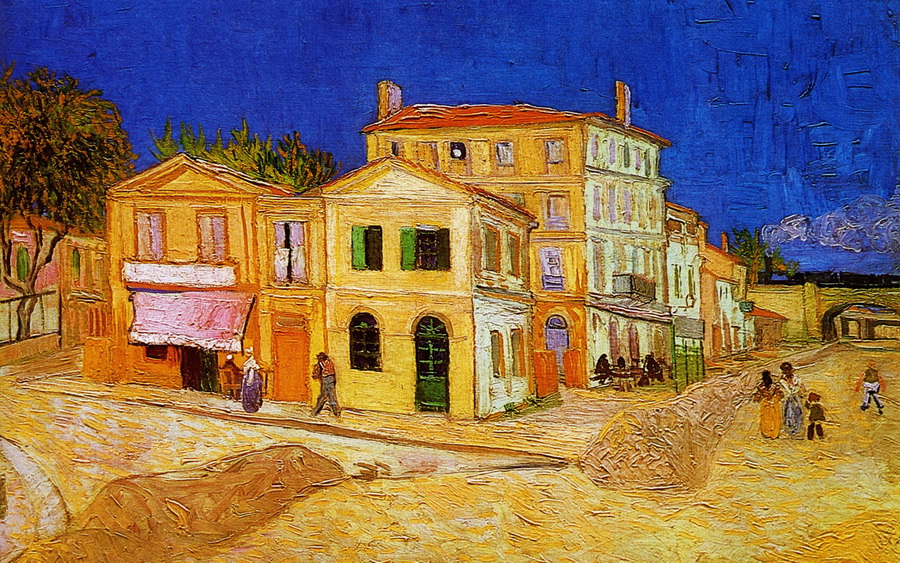
1. Preference and intuition – No matter your budget, always remind yourself to choose pieces that you truly like within what you can afford. If you find a piece you love but it exceeds your budget, it is better to take time to find a similar piece within your price range rather than buying something cheaper that you don’t truly like or following others’ opinions. If you invest in art that doesn’t satisfy you, you “lose” the moment you buy it. Choose with emotion and intuition, but negotiate with logic.
2. The right scale – Choose artwork that fits the size of your space. The beauty of each piece often depends on viewing distance. Large-scale works require wide spaces or high ceilings, while smaller detailed works are better suited for close viewing. Always consider whether you have the appropriate space before deciding.
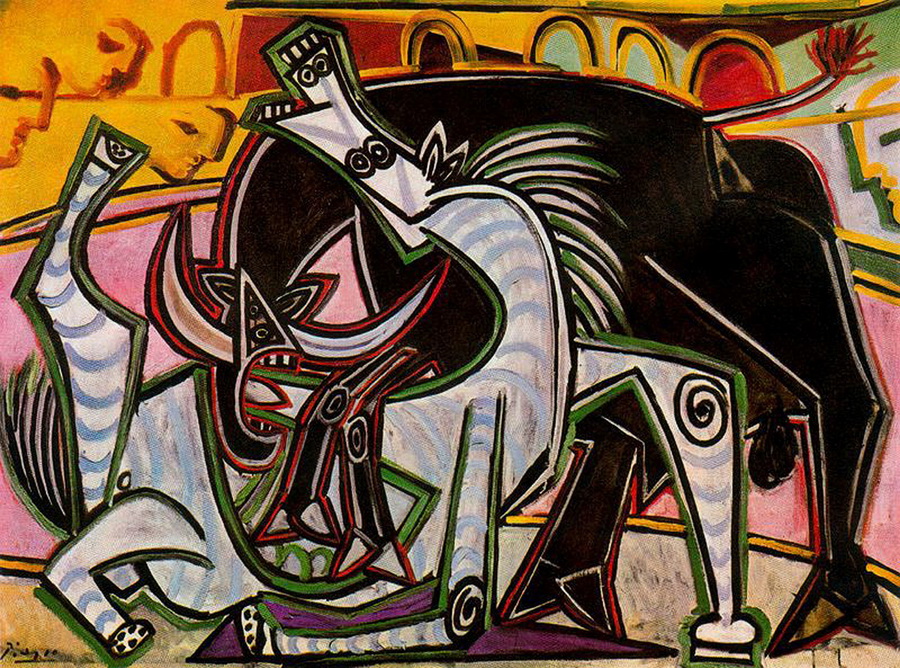
3. Harmonious style – Compatibility creates beauty. Whether through contrast or harmony, choose artwork with colors, forms, and styles that complement your home. However, if you truly love a piece, your happiness matters most.
4. Enhancing elements – Some artworks are complete only when paired with the right frame or installation method. Pay attention to framing (for paintings) and installation techniques (for sculptures) to enhance both the artwork and your home.
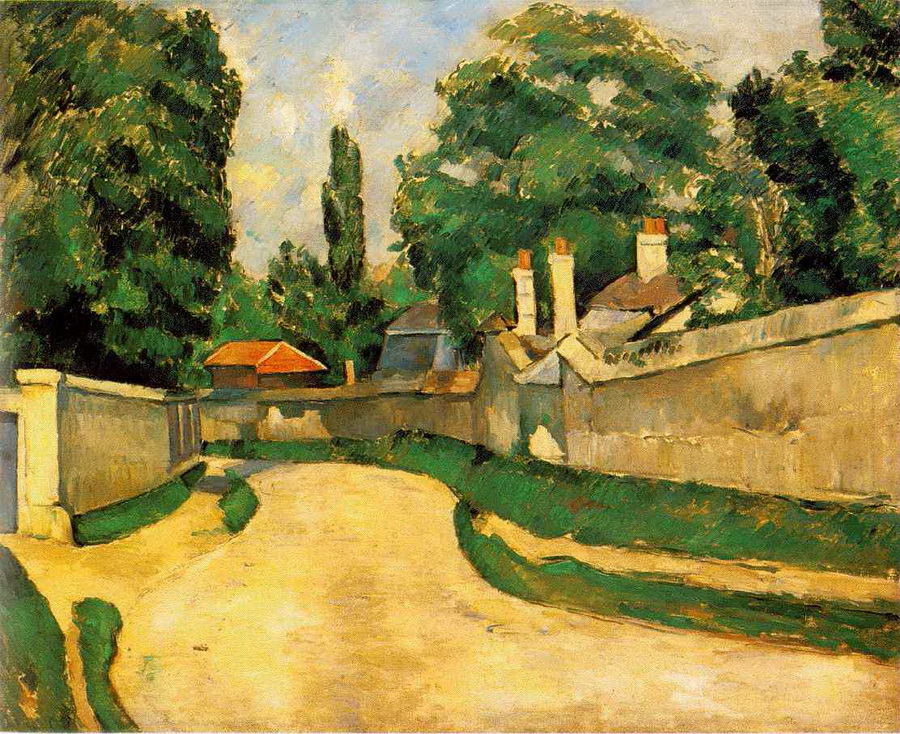
5. Authenticity matters – Unless you intentionally purchase replicas, always choose authentic or limited-edition works. Authentic pieces provide both emotional and financial value, as they can appreciate over time, unlike imitations.
6. Choosing the artist – If you aim to collect art for both emotional and financial value, study the artists you like and follow their work. Even lesser-known artists can be valuable if their work is meaningful and consistent.

7. Discover hidden gems – Affordable artworks with potential future value can often be found among emerging artists. Visiting art schools or exhibitions can help you discover talented individuals whose work may grow in value over time.
8. Award-winning pieces – Following art competitions and purchasing awarded works can increase your chances of owning high-quality pieces from promising artists. Recognition and reputation can significantly boost value over time.

9. Buy from the right sources – High-quality art does not always have to be extremely expensive. Buying directly from artists can reduce costs, but if you are unfamiliar, choose reputable galleries or exhibitions to ensure authenticity.
.jpg)
With these techniques, you can feel more confident in selecting artwork that not only beautifies your home but also serves as a tasteful and rewarding long-term investment.


